

Black-Shouldered Kite
Elanus axillaris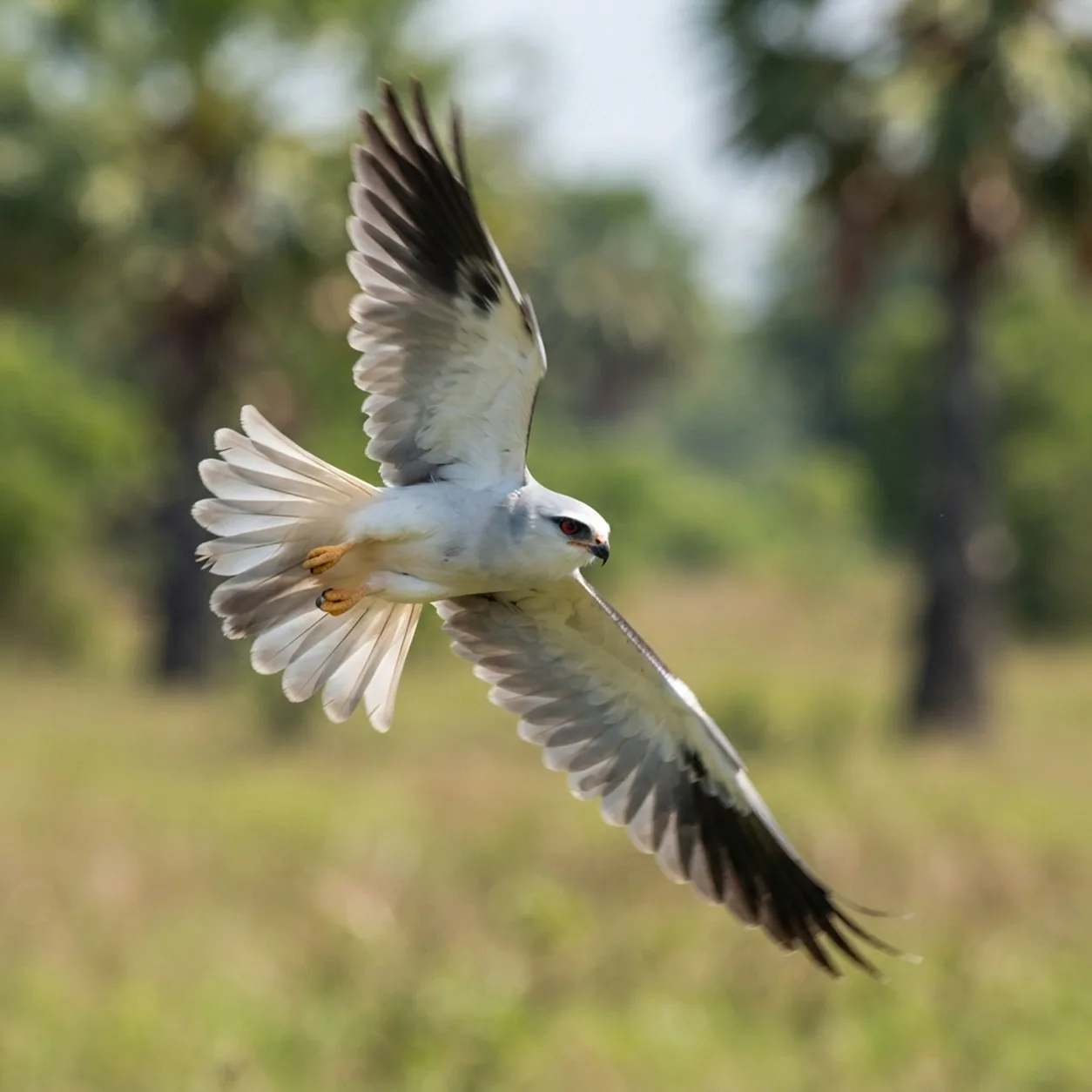
Birds of prey
Birds eat meat as food, small and agile birds
The black-shouldered kite (Elanus axillaris), also known as the Australian black-shouldered kite, is a small, graceful bird of prey measuring 35 to 38 cm in length with an 80 to 100 cm wingspan.
Modern taxonomy distinguishes the Australian Elanus axillaris from the widespread Eurasian and African Elanus caeruleus, which is officially called the black-winged kite but was previously referred to by the same common name.
Physical Identification and Appearance
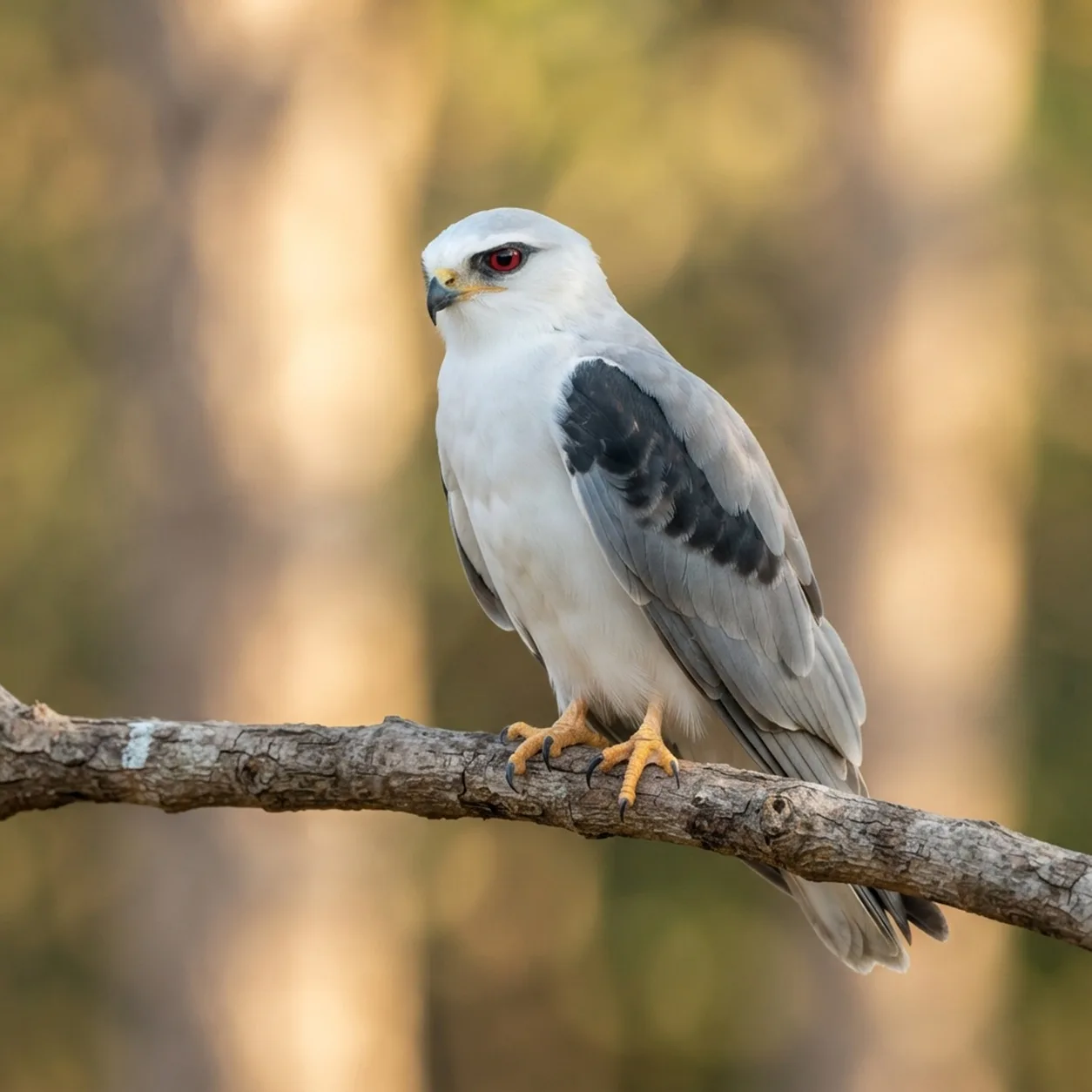
- Plumage: Features pale grey upperparts, a pure white head, tail, and underparts, contrasted by striking jet-black shoulder patches (lesser wing coverts).
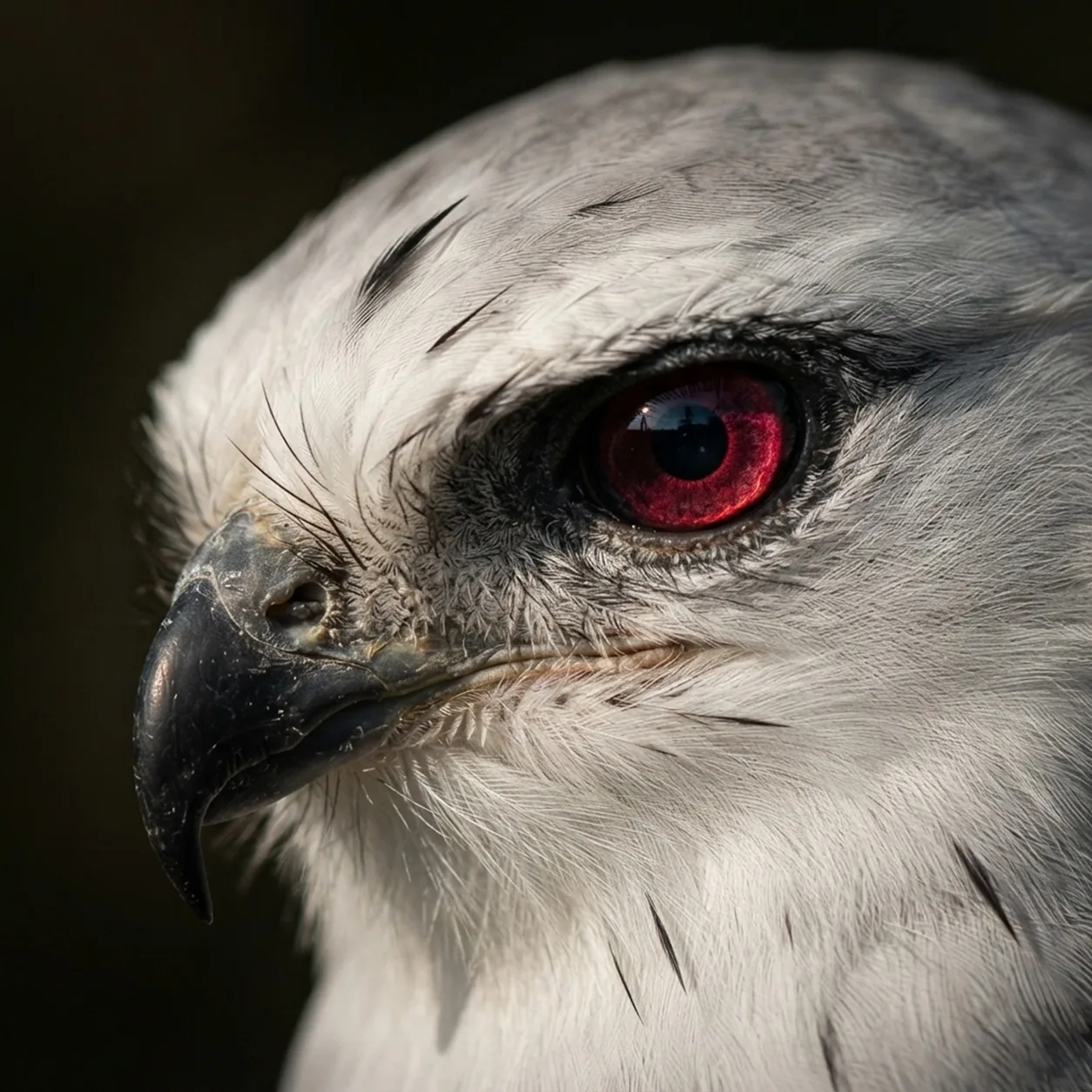
- Eyes and Face: Adults have prominent bright red-orange eyes marked by a dark black "comma" or smudge above and behind the eye.
- Legs and Feet: Possess bright yellow legs, feet, and cere, with specialized talons adapted for gripping small prey and vertical branches.
- Sexual Dimorphism: Sexes look nearly identical in plumage, though females are slightly larger and can weigh up to 15% more than males.
Habitat and Distribution
- Geographic Range: Endemic and widespread across mainland Australia and Tasmania, frequently found in open agricultural lands and coastal areas.
- Preferred Environment: Inhabits open grasslands, lightly timbered plains, farmlands, and roadside verges where ground visibility is high.
- Nomadic Movement: Populations are highly nomadic, often shifting locations or increasing dramatically in number (irrupting) in response to regional mouse plagues.
Diet and Hunting Behavior
- Specialist Diet: Feeds almost exclusively on small mammals and rodents, with the introduced House Mouse (Mus musculus) forming the core of its diet. Secondary prey includes large insects like grasshoppers, small lizards, and occasionally small birds.
- Hovering Technique: Famous for its signature mid-air hovering ability, facing into the wind with wings held in a high V-shape (dihedral) while scanning the grass below before dropping silently feet-first onto prey.
- Perching: Frequently spotted resting on exposed dead tree branches, power poles, and roadside wires.
Breeding and Social Structure
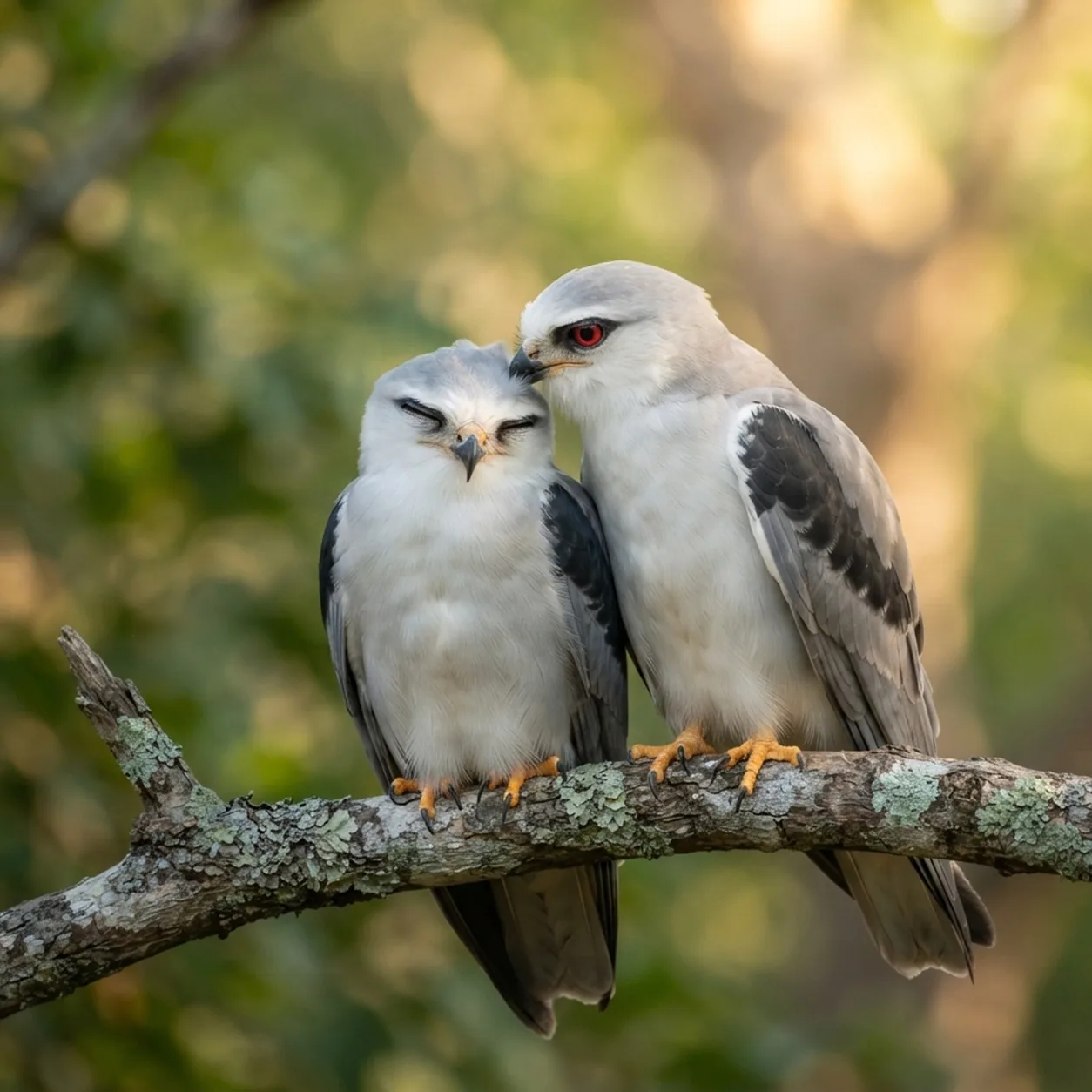
- Mating System: Forms monogamous pairs that often engage in spectacular aerial courtship displays, including high circling and mid-air talon-grappling or food passes.
- Nesting: Builds a loose, shallow cup platform of sticks in high tree canopies (lined with green leaves) or sometimes on artificial structures like power pylons and bridges.
- Clutch and Development: Lays a clutch of 3 to 4 creamy-white eggs with red spots, incubated for about 30 days. Young fledge in roughly 5 weeks and achieve hunting independence shortly after leaving the nest.
- Group
- Birds of prey