

Asian elephant
Elephas maximus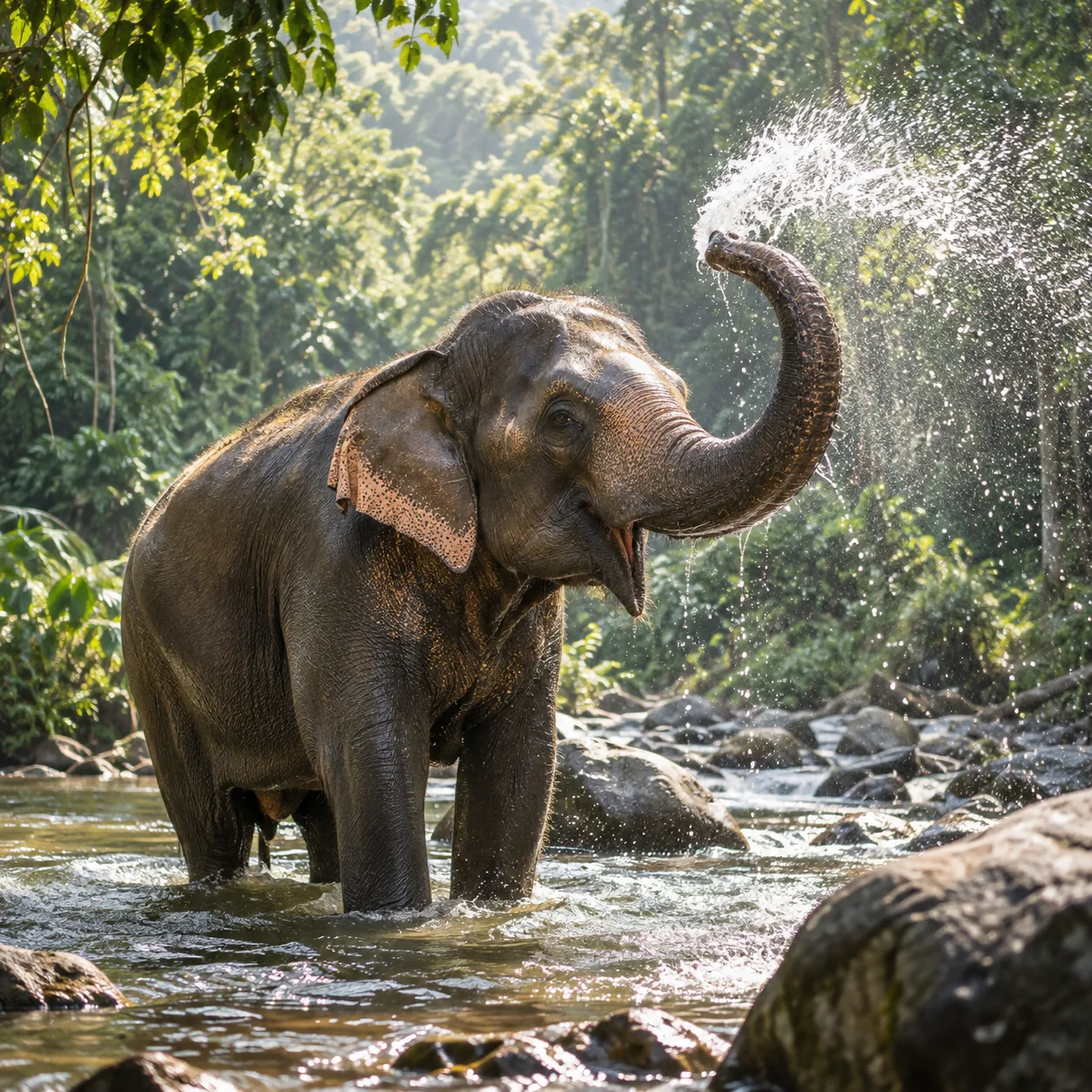
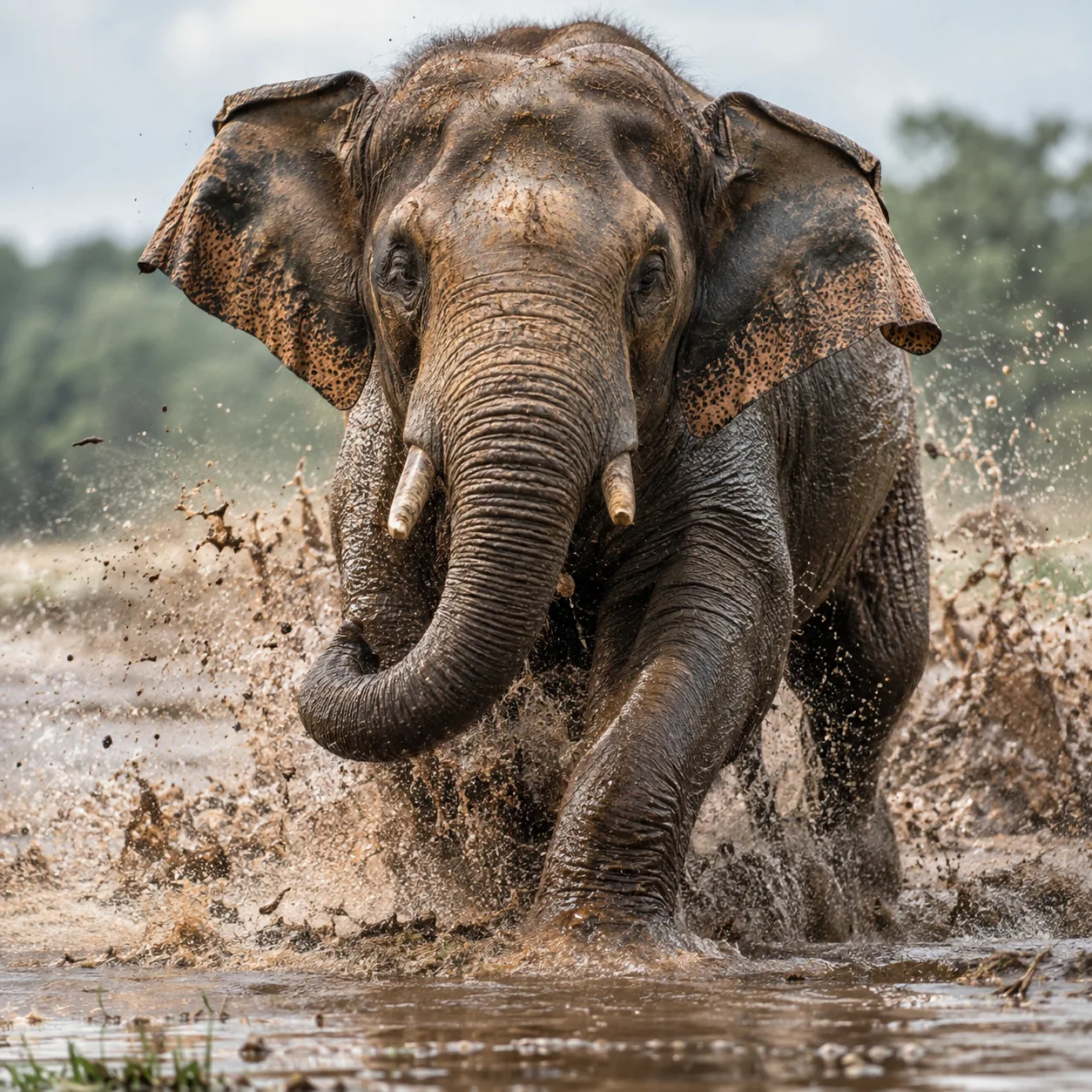
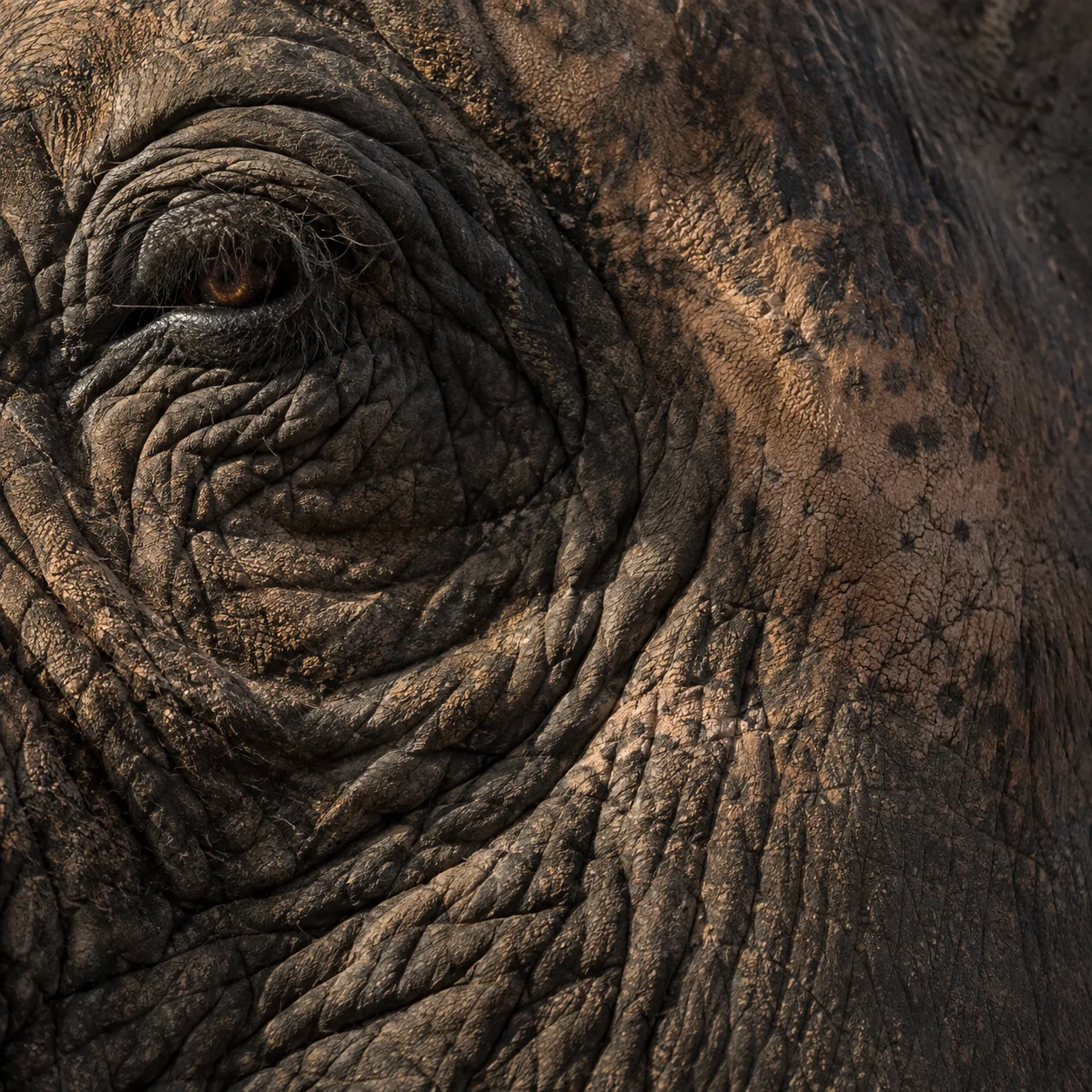
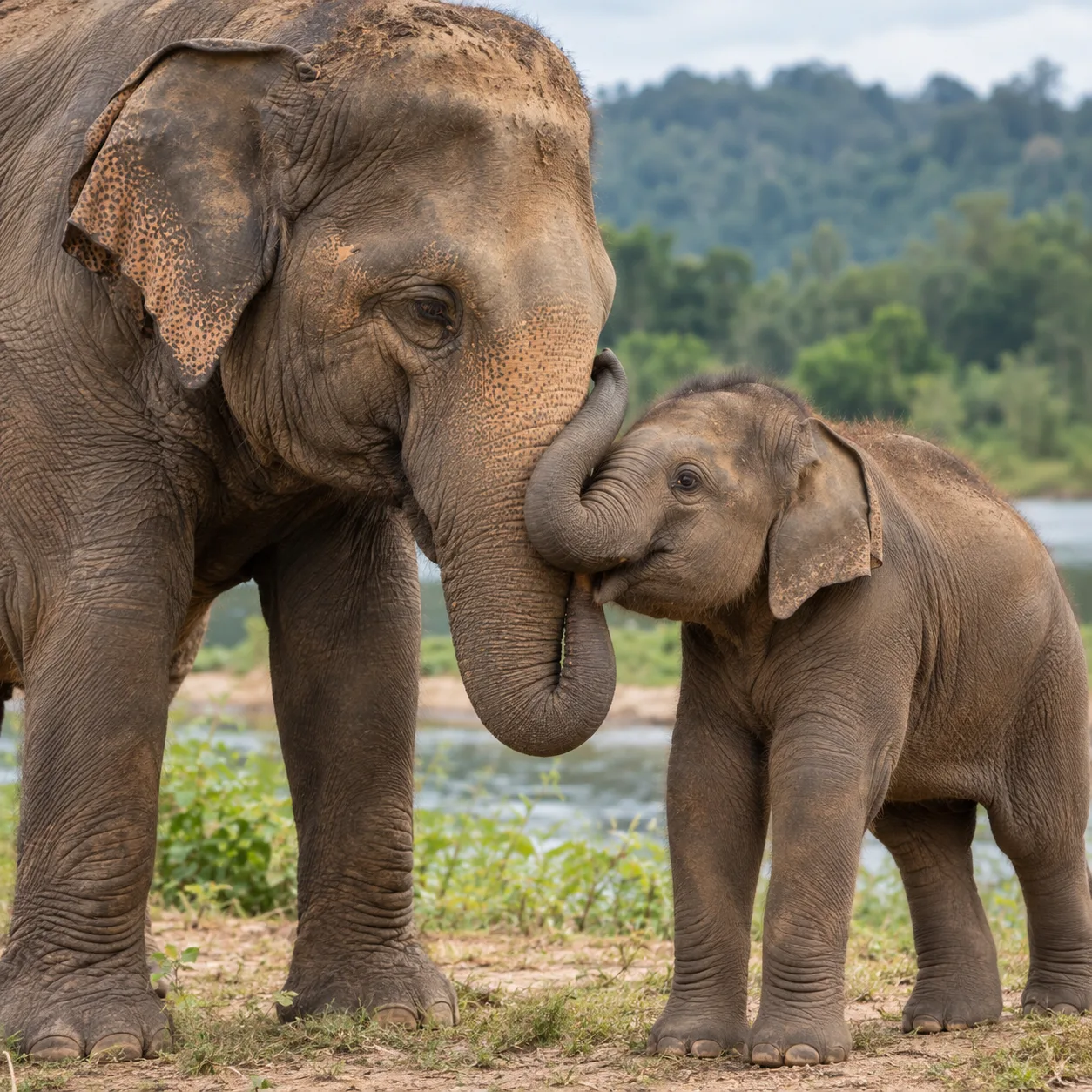
A gentle giant of Asia’s forests, known for strength and intelligence.
The Asian elephant (Elephas maximus) is the largest living land animal in Asia and the second-largest elephant species in the world, following the African elephant. Highly intelligent and self-aware, these magnificent creatures are known for their deep social bonds and complex communication.
Here is a quick overview of the Asian elephant:
📊 Quick Facts
Conservation Status: Endangered (Population decreasing)
Scientific Name:Elephas maximus
Average Weight: Males: ~8,800 lbs (4 tonnes) | Females: ~6,000 lbs (2.7 tonnes)
Average Lifespan: Up to 48 years in the wild
Gestation Period: 18 to 22 months (one of the longest of any mammal)
Diet: Herbivorous (eats up to 330 lbs/150 kg of vegetation daily)
🗺️ Habitat & Subspecies
Asian elephants are native to 13 countries across South and Southeast Asia, ranging from India and Nepal to Sumatra and Borneo. They thrive in a variety of environments, including grasslands, tropical evergreen forests, and dry thorn forests.
There are three main recognized subspecies alive today:
- Indian Elephant (E. m. indicus): Makes up the majority of the remaining wild population.
- Sri Lankan Elephant (E. m. maximus): The largest of the subspecies, native only to Sri Lanka.
- Sumatran Elephant (E. m. sumatranus): Critically endangered and smaller in size, found on the island of Sumatra.
- (Note: The Borneo elephant is also widely recognized as a unique, smaller distinct population).
🐘 Key Characteristics vs. African Elephants
- Ears: Asian elephants have smaller, rounded ears compared to the large, fan-like ears of African elephants (which are shaped like the continent of Africa).
- Trunk: Their trunk ends in a single finger-like process (lip) at the tip for gripping objects, whereas African elephants have two.
- Tusks: Only some male Asian elephants grow large tusks. Females and some males (called maknas) have small, barely visible tusks called "tushes."
- Head: They feature a twin-domed head with a distinct indent in the middle, unlike the flat or single-domed head of their African cousins.
⚠️ Conservation Challenges
The wild population of Asian elephants has declined by an estimated 50% over the last three generations. Their primary threats include habitat loss and fragmentation due to agricultural expansion, human-elephant conflict as their migration corridors disappear, and poaching for ivory and skin.
- Group
- Large hoofed animals