

Green-Cheeked Conure
Pyrrhura molinae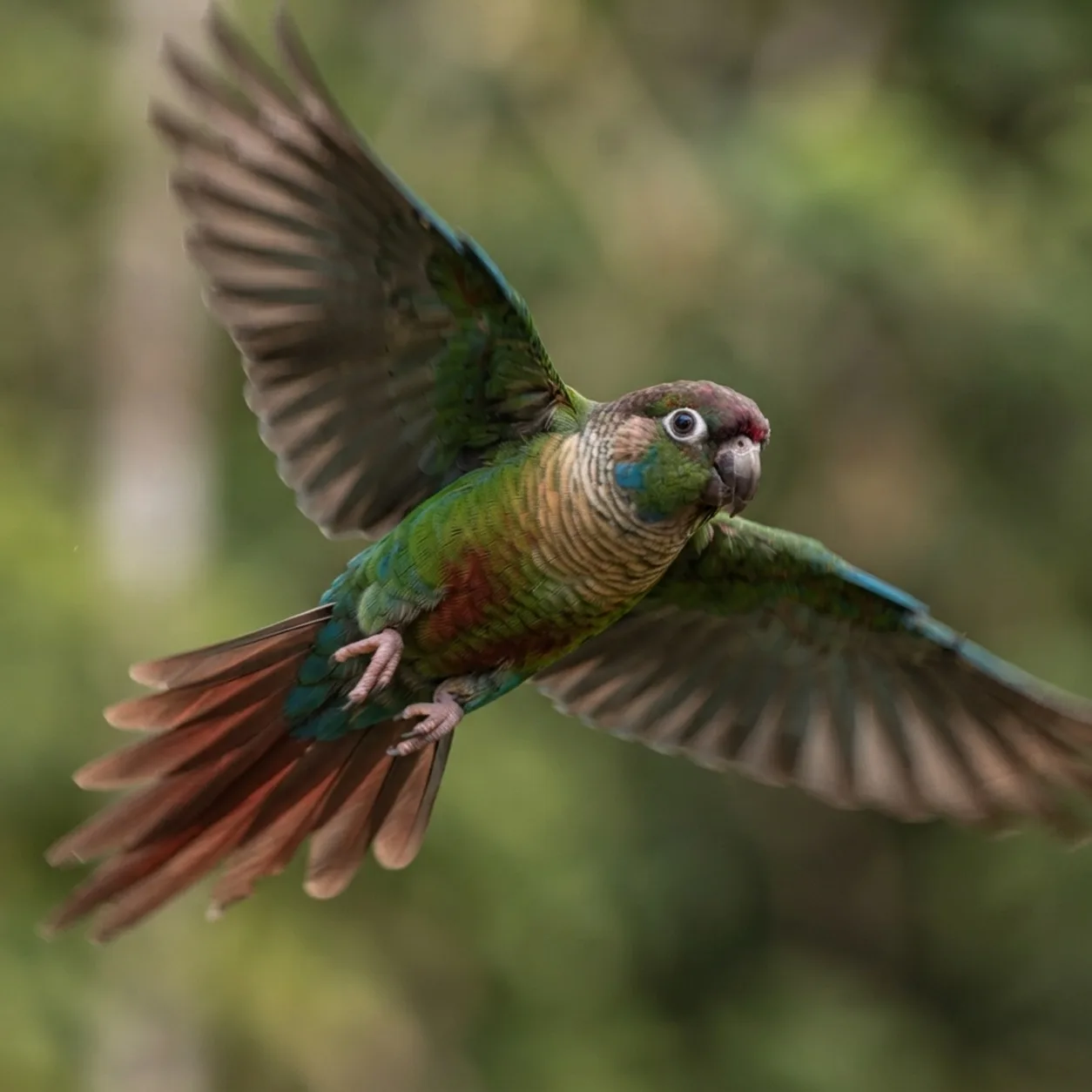
Parrots & cockatoos
They are less polar birds and easier to feed
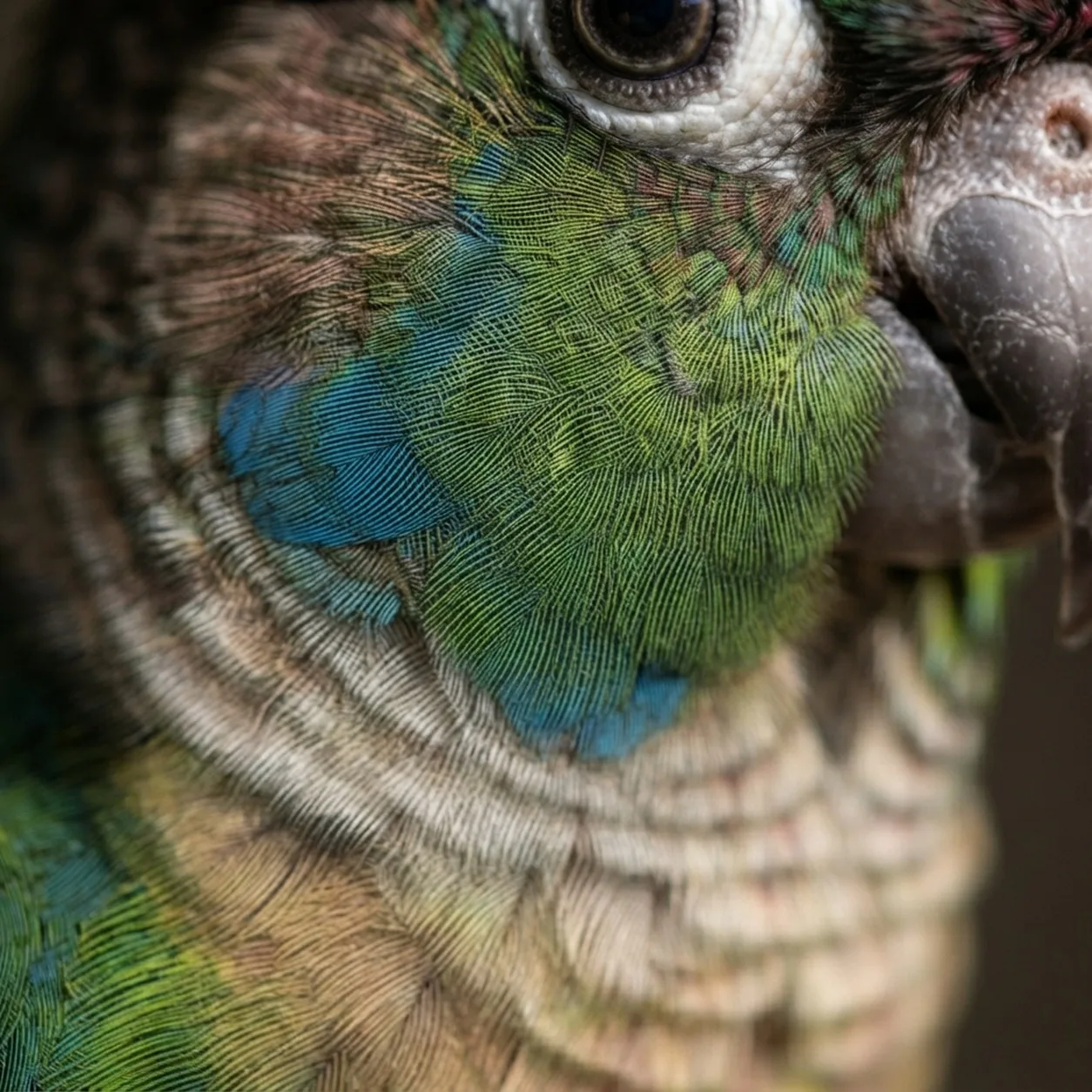
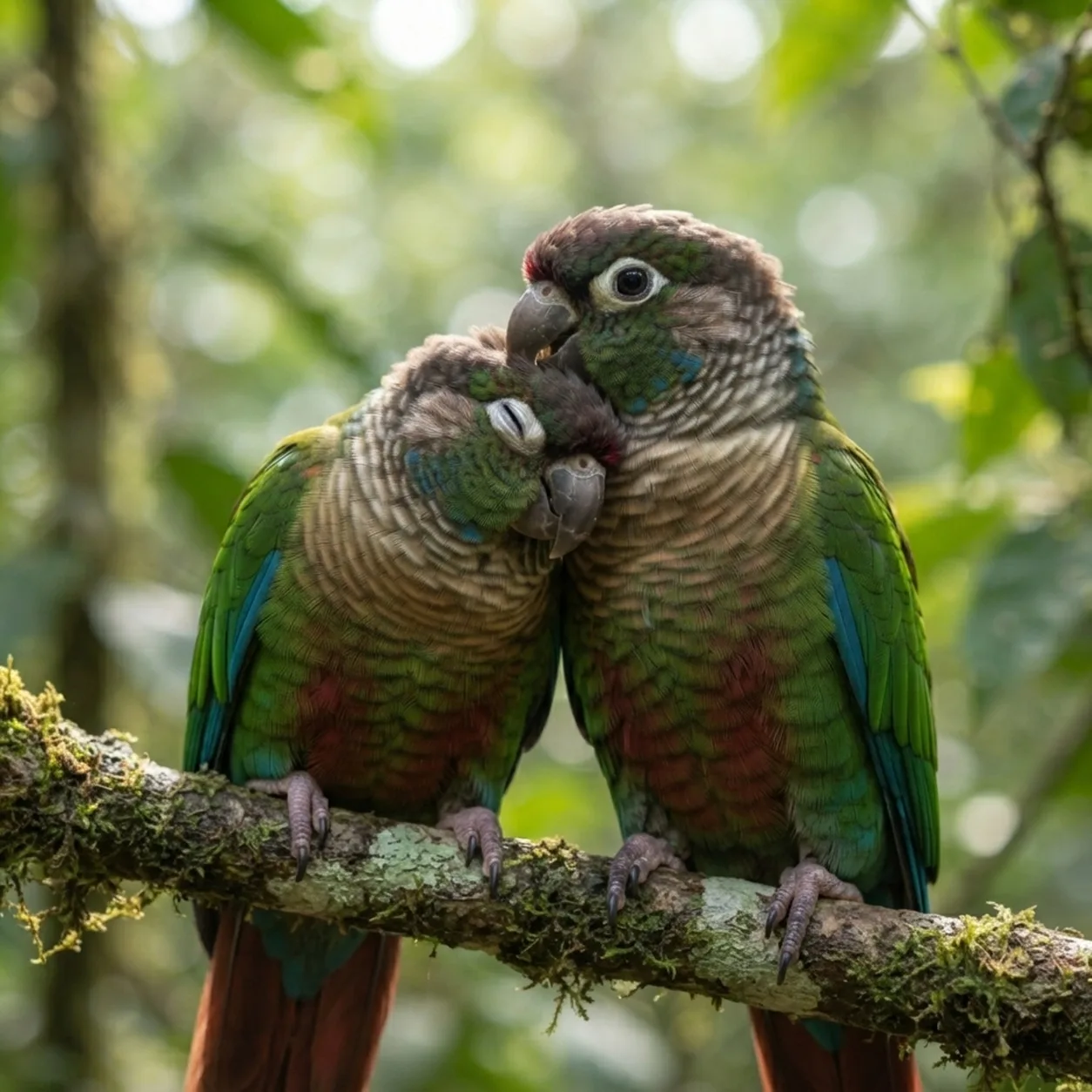
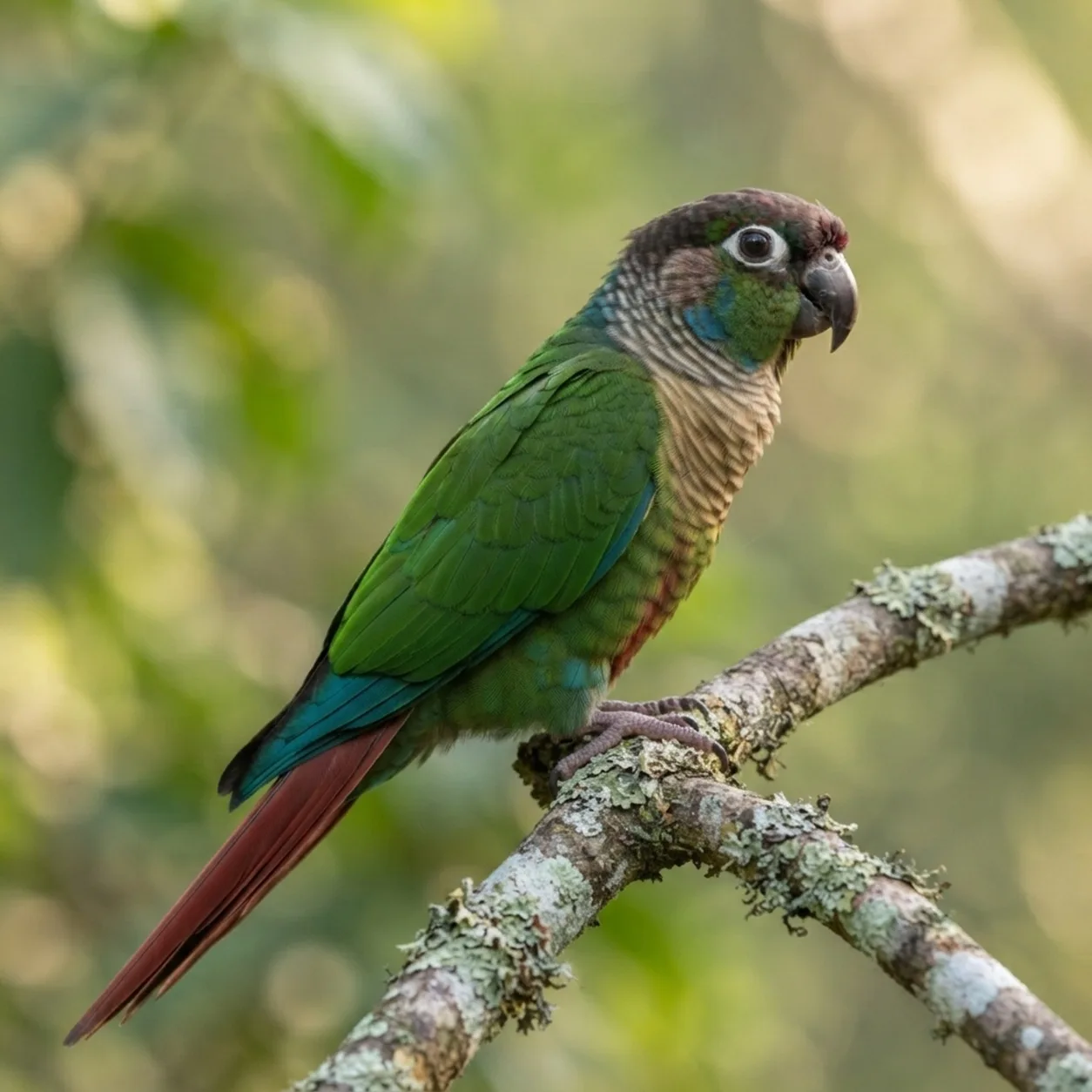
The green-cheeked conure (Pyrrhura molinae), also known as the green-cheeked parakeet, is a small, affectionate, and playful South American parrot native to the forests and woodlands of Brazil, Bolivia, Argentina, and Paraguay. Known for being one of the quietest and most manageable conure species, they have become immensely popular companion pets.
Quick Facts & Physical Specifications
Adult Length: ~10 inches (26 cm)
Adult Weight: 60 to 80 grams
Lifespan: 25 to 30 years in captivity
Native Range: South America (Brazil, Bolivia, Argentina, Paraguay)
Price Range: $120 to $600 (standard to mid-tier mutations)
Personality and Behavior
- Affectionate and Clingy: They form deep bonds with their owners, love to hang out on shoulders, and often enjoy snuggling.
- Mischievous and Playful: Often described as "toddlers with wings," they are highly inquisitive, energetic, and love exploring with their beaks.
- Nippy Tendencies: They use their beaks to test objects and communicate; untrained or hormonal birds can bite hard and frequently nip if overstimulated.
- Quieter Vocalization: While they do make contact calls and chatter, their volume is much lower and less piercing than larger conure species like the Sun Conure, making them reasonably apartment-friendly.
Color Mutations
- Pineapple: Features a beige head, yellow-and-green dilution, and bright red/yellow belly.
- Cinnamon: Exhibits a lighter lime-green body with a brown cap extending down the neck.
- Yellow-Sided: Displays striking red chest feathers with reduced yellow tones compared to pineapples.
- Turquoise: A striking mutation that replaces standard green plumage with blue-turquoise tones.
- Sun Cheek: A rare, bright-yellow mutation with red cheeks and no green on the wings, often priced significantly higher.
Care Requirements
- Diet: Feed a nutritional foundation of high-quality pelleted food supplemented daily with fresh vegetables, leafy greens, and limited fruits. Avoid an all-seed diet, which leads to malnutrition.
- Housing: Require a spacious cage (minimum 24 inches square and 30 inches high) with bar spacing of 1/2 to 3/4 inch, plus varied perches and plenty of shreddable chew toys.
- Social Time: Need a minimum of 2 to 4 hours of supervised out-of-cage time and interaction every day to prevent boredom and feather plucking.
- Group
- Parrots & cockatoos