
Moluccan Cockatoo
Cacatua moluccensis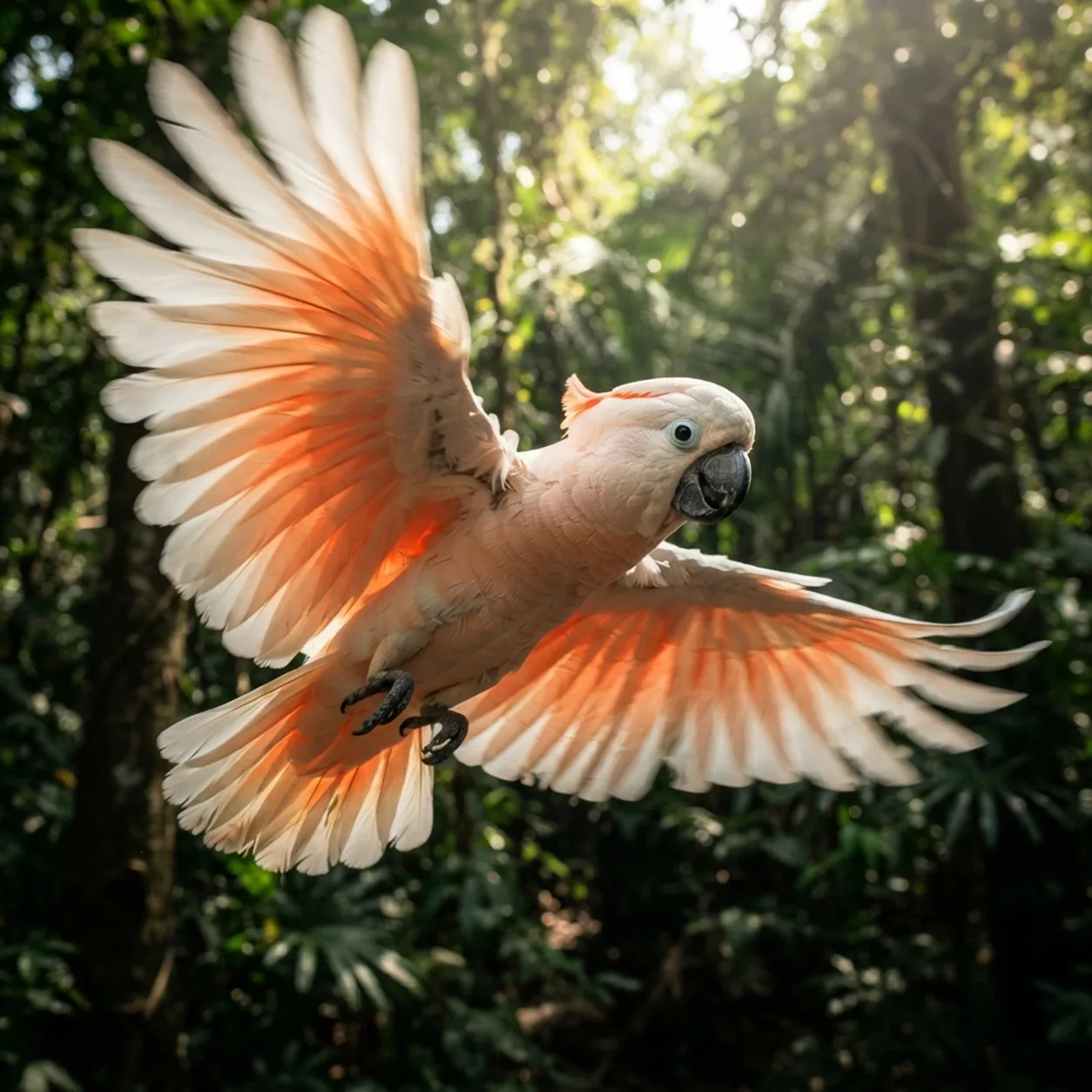
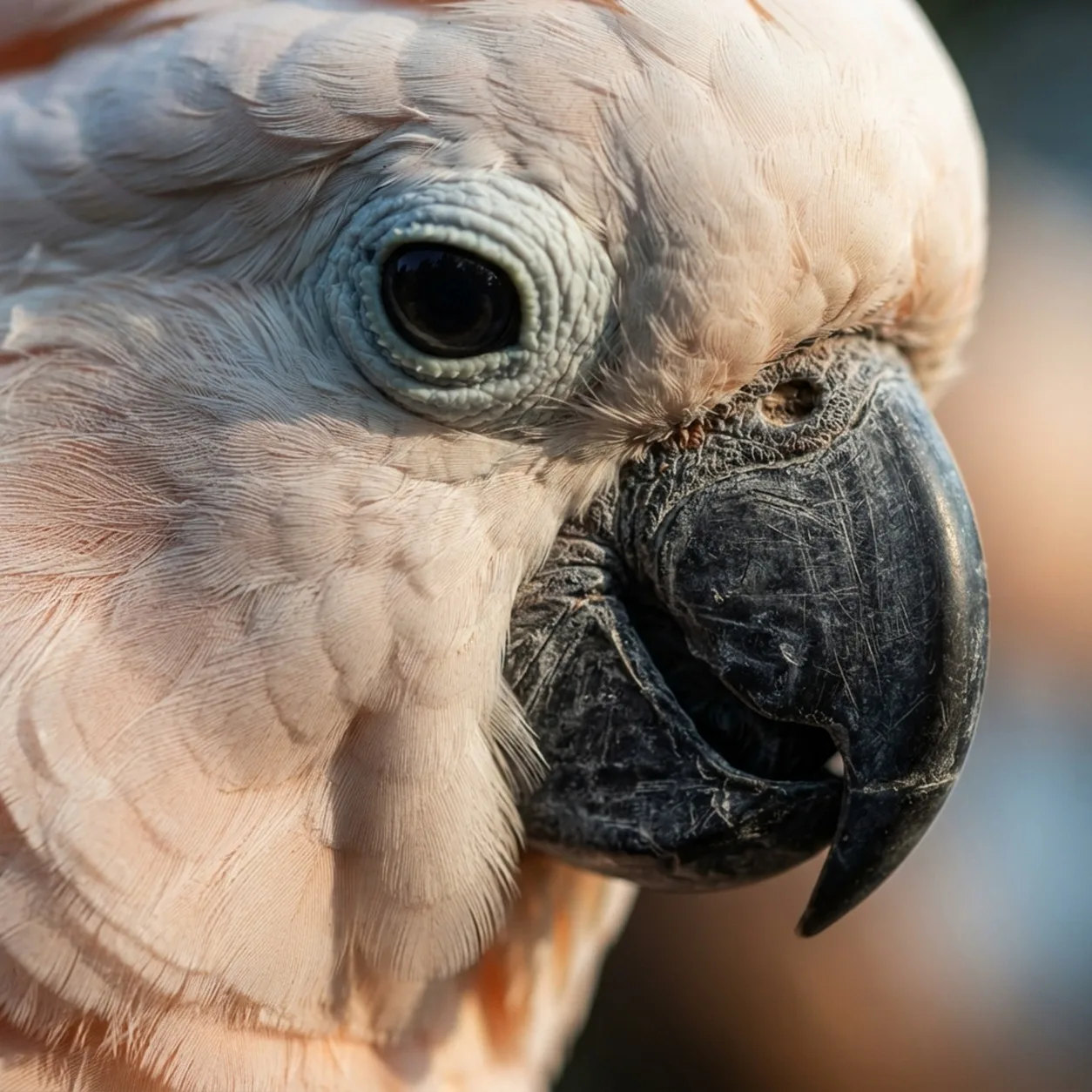
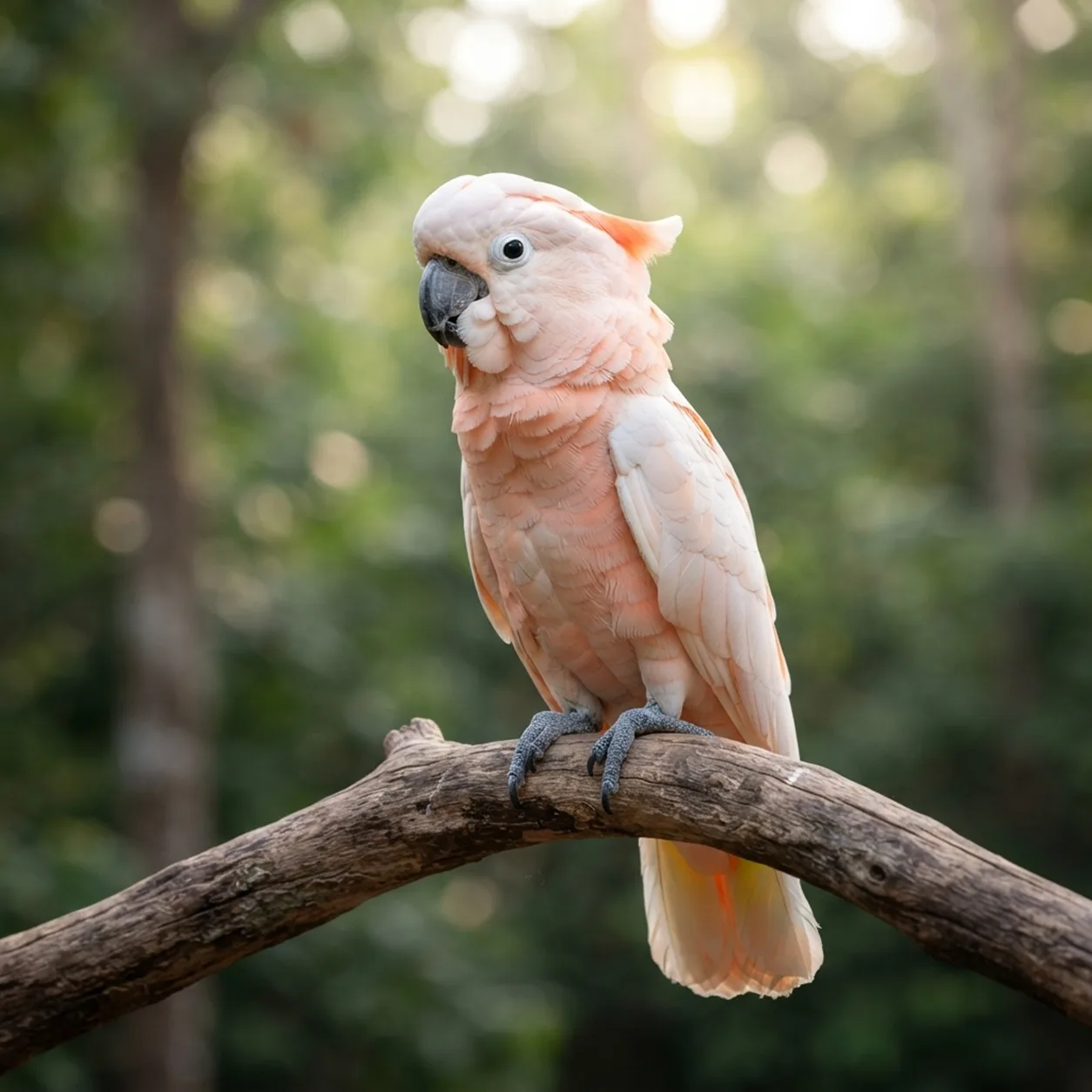
Body plumage is a soft, rosy-white color
The Moluccan cockatoo (Cacatua moluccensis), also widely known as the salmon-crested cockatoo, is one of the largest and most emotionally complex species in the white cockatoo family. Renowned for their striking, flamingo-pink crests and deeply affectionate personalities, these birds are native to the lowland forests of eastern Indonesia. However, their high intelligence and extreme social needs make them an incredibly demanding species to care for.
Quick Facts
Scientific Name: Cacatua moluccensis
Size & Weight: Up to 46–52 cm (18–21 in) long; around 850–1,000 grams
Lifespan: 65 to 70+ years in captivity
Call Volume: Extremely loud, reaching up to 129–135 decibels
Wild Diet: Seeds, nuts, berries, insects, and young coconuts
Conservation Status: Endangered (IUCN Red List); protected under CITES Appendix I
Key Characteristics & Behavior
- The Salmon Crest: While their body plumage is a soft, rosy-white color, they possess a large, retractable crest. When excited, frightened, or displaying emotion, they raise this crest to reveal brilliant, bright-orange/salmon feathers.
- Vise-Like Beak: Their name "cockatoo" originates from a Malay word meaning "grip" or "vise". Their incredibly powerful black beaks can exert roughly 500 pounds of pressure, allowing them to tear open whole coconuts in the wild or easily destroy standard cages if not properly secured.
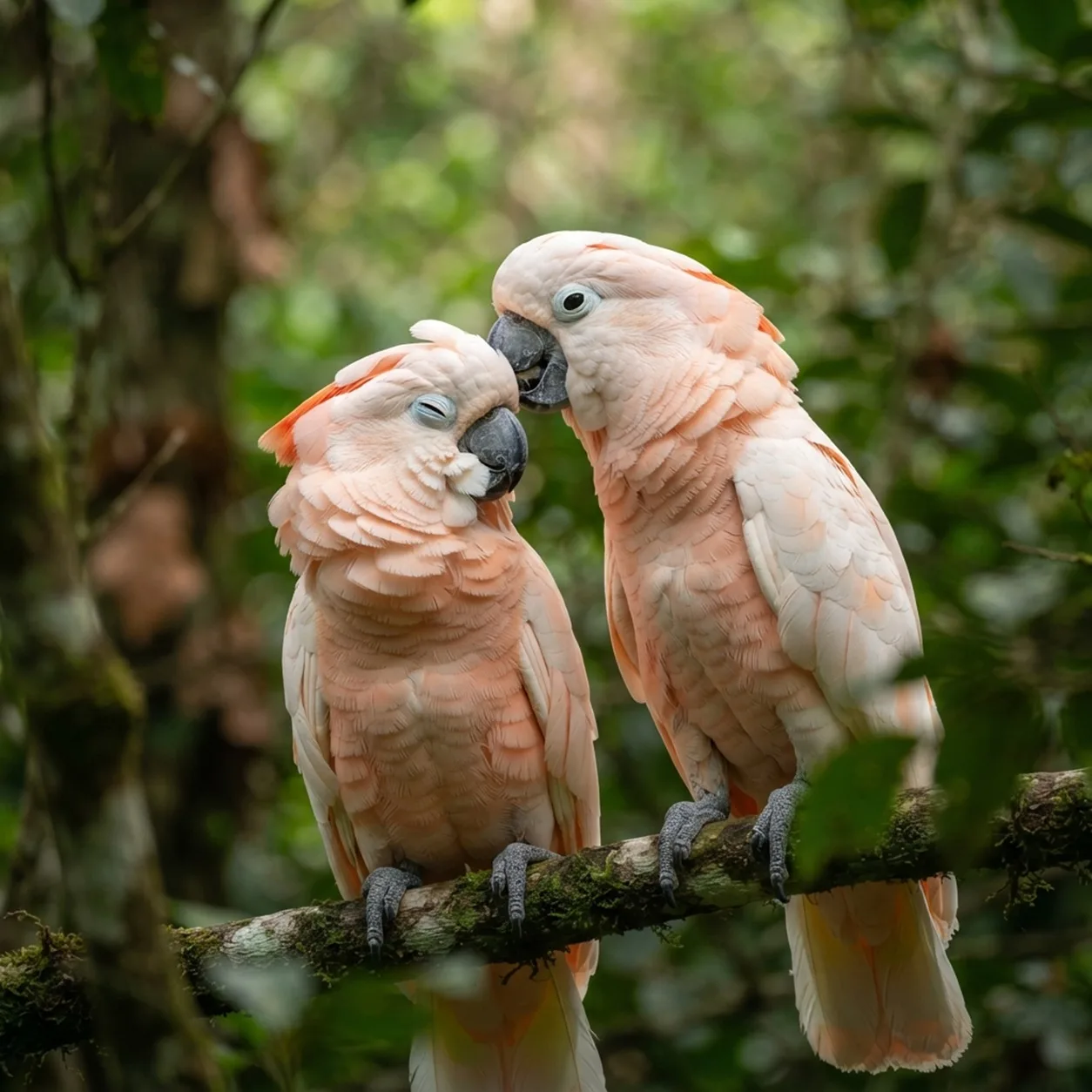
- Extreme Emotional Needs: Moluccans are famously known as "velcro birds". They require near-constant physical affection, mental stimulation, and attention from their human companions.
Captivity and Conservation Challenges
Because young, hand-reared Moluccan cockatoos are exceptionally cuddly and sweet, they are frequent victims of impulse buying. However, experts at resources like the Northern Parrots Blog stress that they are unsuitable for 99.9% of bird owners.
When their immense social needs are not met, adult Moluccans frequently develop severe psychological distress, presenting as incessant screaming or self-mutilation (such as plucking their own feathers and damaging their skin). Furthermore, their wild populations have been decimated by habitat loss and historical over-trapping for the illegal pet trade, leaving fewer than 10,000 birds remaining in the wild.
- Group
- Parrots & cockatoos