
African sulcata tortoise
Centrochelys sulcata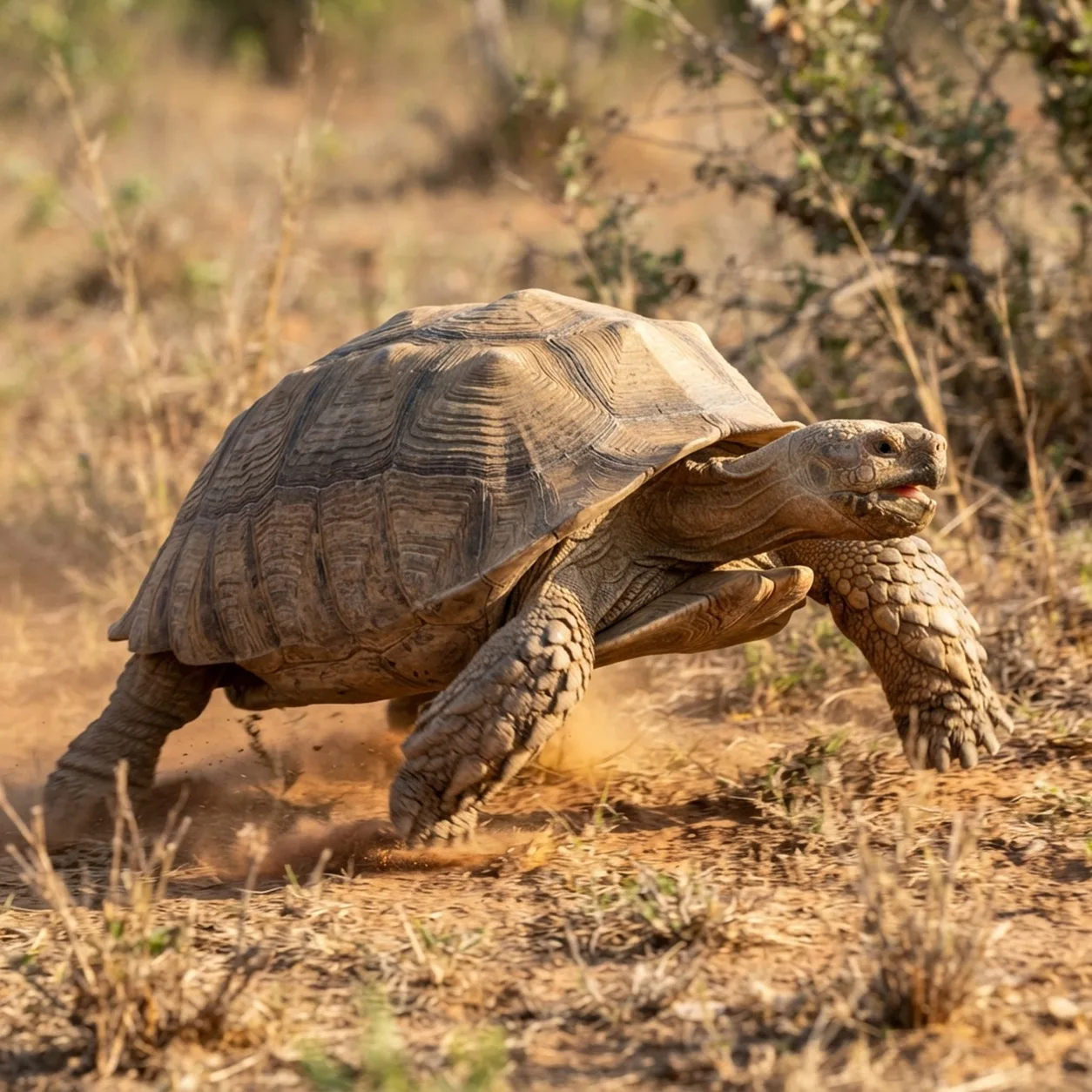
爬行动物
largest tortoise in the world after Giant tortoises Galapagos and Aldabra
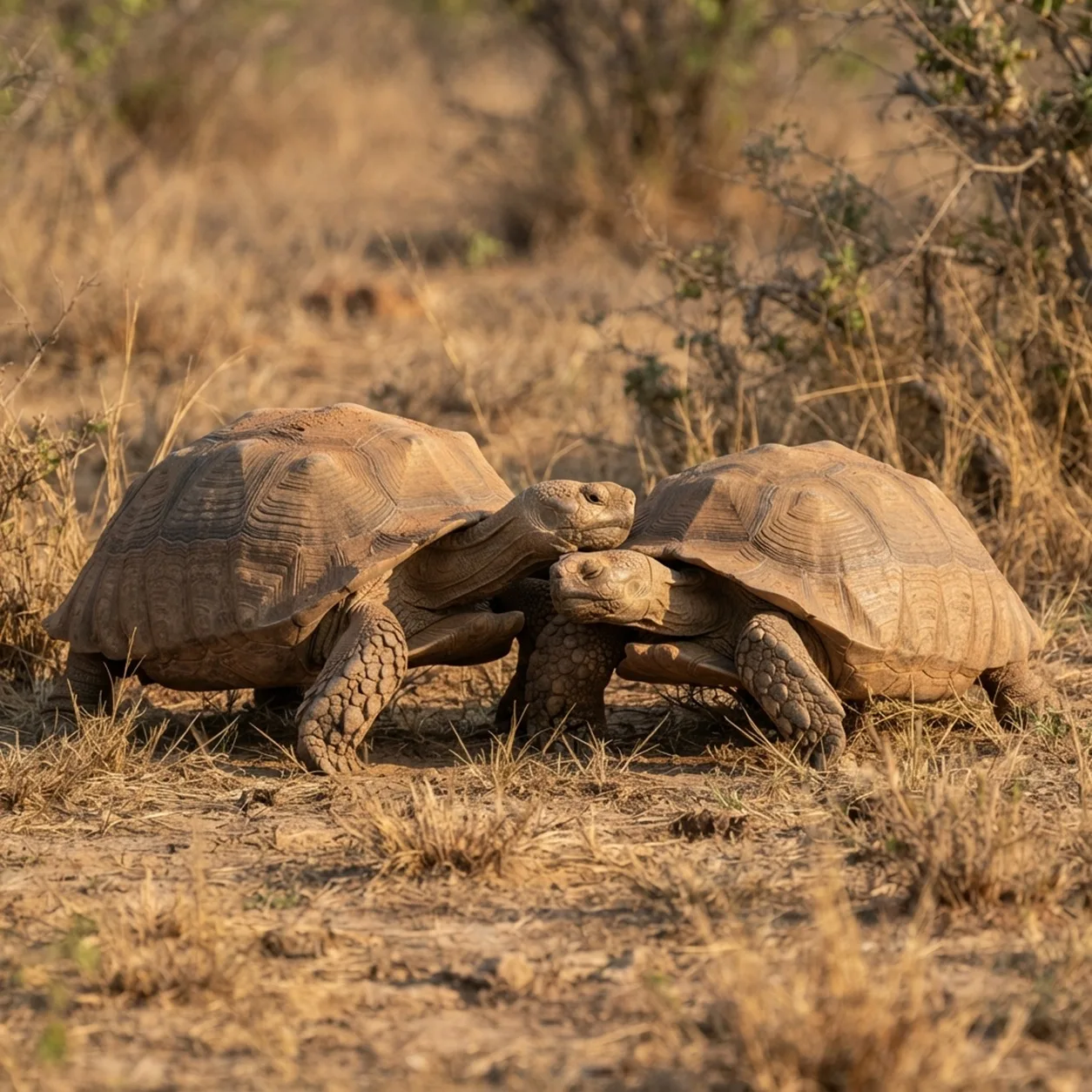
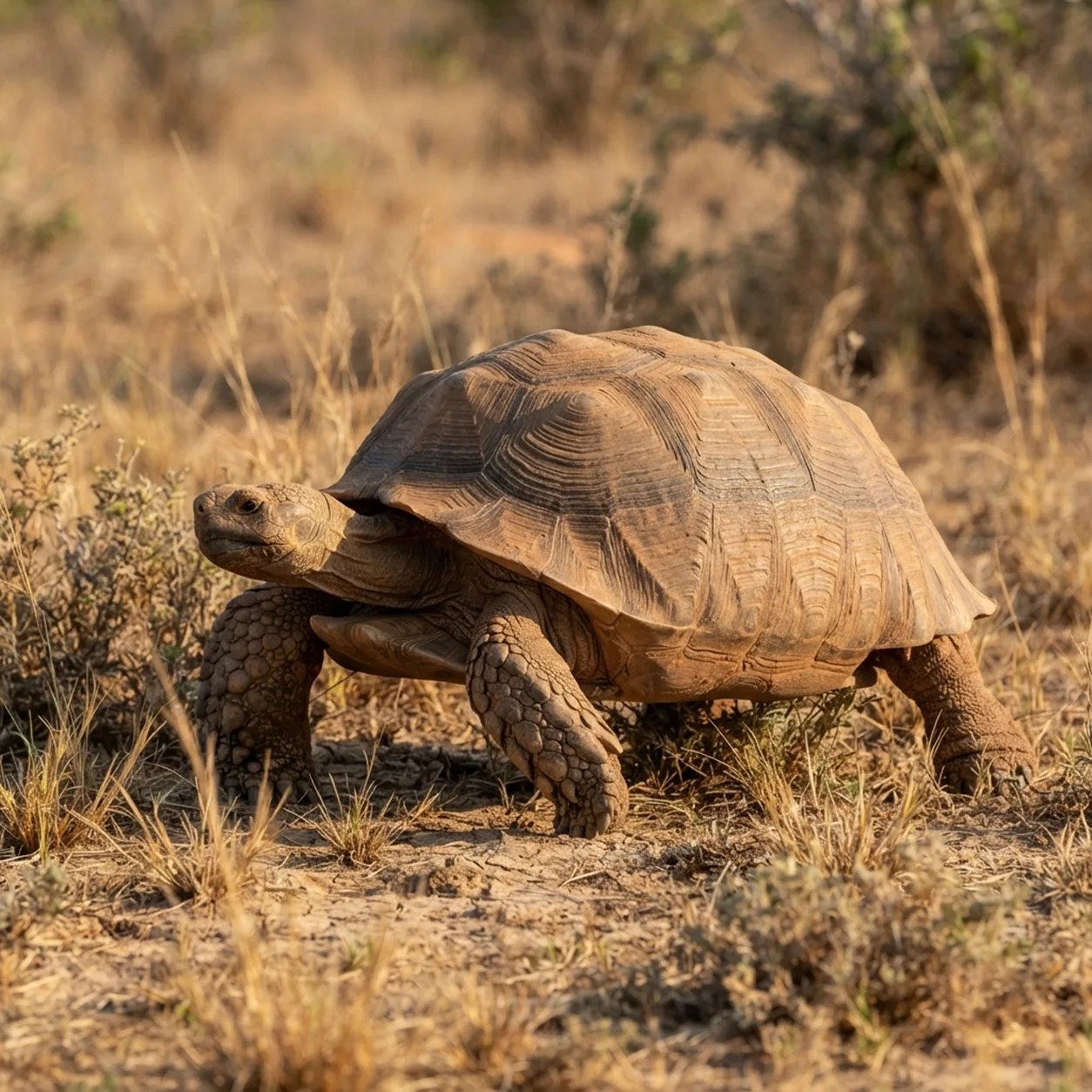
The African sulcata tortoise (Centrochelys sulcata), also known as the African spurred tortoise, is the largest mainland tortoise species in the world and the third-largest overall behind the Galapagos and Aldabra giant tortoises. Native to the arid and semi-arid Sahel region along the southern edge of the Sahara Desert in Africa, these impressive reptiles are famous for their massive size, unique leg spurs, and incredible longevity.
Physical Characteristics
- Size and Weight: Adult males typically reach 24 to 36 inches (60–90 cm) in straight carapace length and weigh between 100 and 200 pounds (45–90 kg), with record specimens exceeding 230 pounds. Females are noticeably smaller, averaging around 60 to 100 pounds.
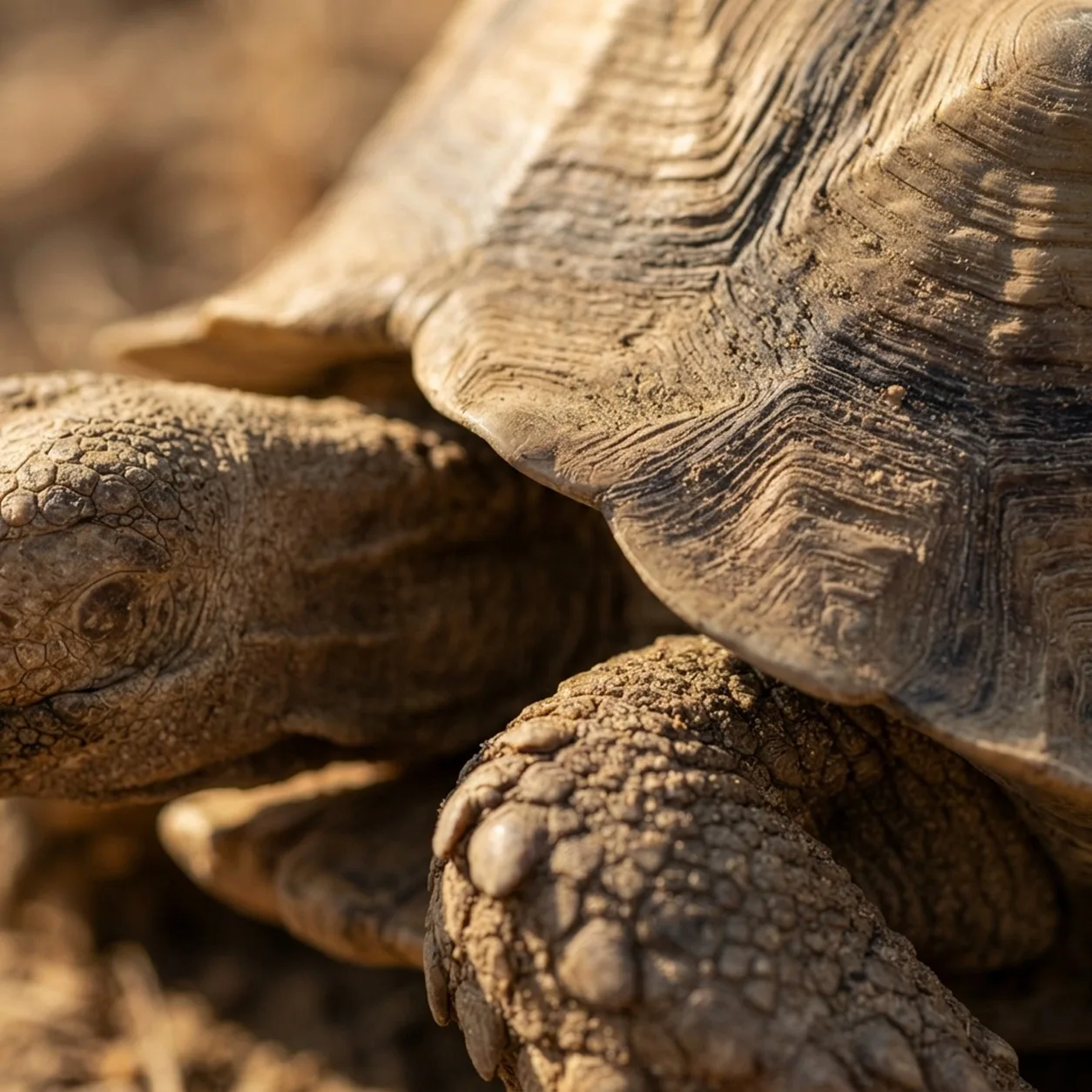
- Spurs: They get their common name, "spurred tortoise," from the distinct, large conical spurs located on the back thighs of their hind legs.
- Shell and Coloration: Adults feature a broad, oval, light tan to golden-yellow or dark brown domed shell, while hatchlings emerge with a pale yellow coloration.
Habitat and Behavior
- Burrowing: Sulcatas are exceptional diggers, using their powerful front limbs to excavate deep underground dens and tunnels that can stretch over 10 feet long to escape extreme desert temperatures and maintain moisture.
- Activity: They are primarily active during the early morning and late afternoon (crepuscular), spending the hottest midday hours resting in their burrows or muddy wallows.
- Water and Survival: Highly adapted to arid climates, they can go weeks without direct water, obtaining necessary hydration through the fibrous plants they consume.
Diet in the Wild and Captivity
- Herbivorous Needs: They are strict herbivores requiring a high-fiber, low-protein, and low-sugar diet.
- Staple Foods: Their daily intake should consist of 75% to 90% grasses, grass hays (such as timothy or orchard grass), weeds, and edible flowers like hibiscus and dandelion.
- What to Avoid: High-sugar items like fruits, as well as oxalate-heavy greens like spinach or excessive alfalfa, should be strictly limited or avoided to prevent severe health complications like bladder stones.
Lifespan and Conservation
- Lifespan: In human care or captivity, they easily live 50 to 80+ years, with potential lifespans stretching past 100 years, meaning they frequently outlive their human owners.
- Conservation Status: Listed as Vulnerable / Endangered in various assessments due to habitat loss, overgrazing by livestock, and heavy collection for the international pet trade.
- 分类
- 爬行动物